Drive south from the border and you will quickly face a choice: the toll road (cuota) or the free road (libre). Knowing the difference makes your Baja trip faster, smoother, and safer.
Cuota (toll) vs libre (free)
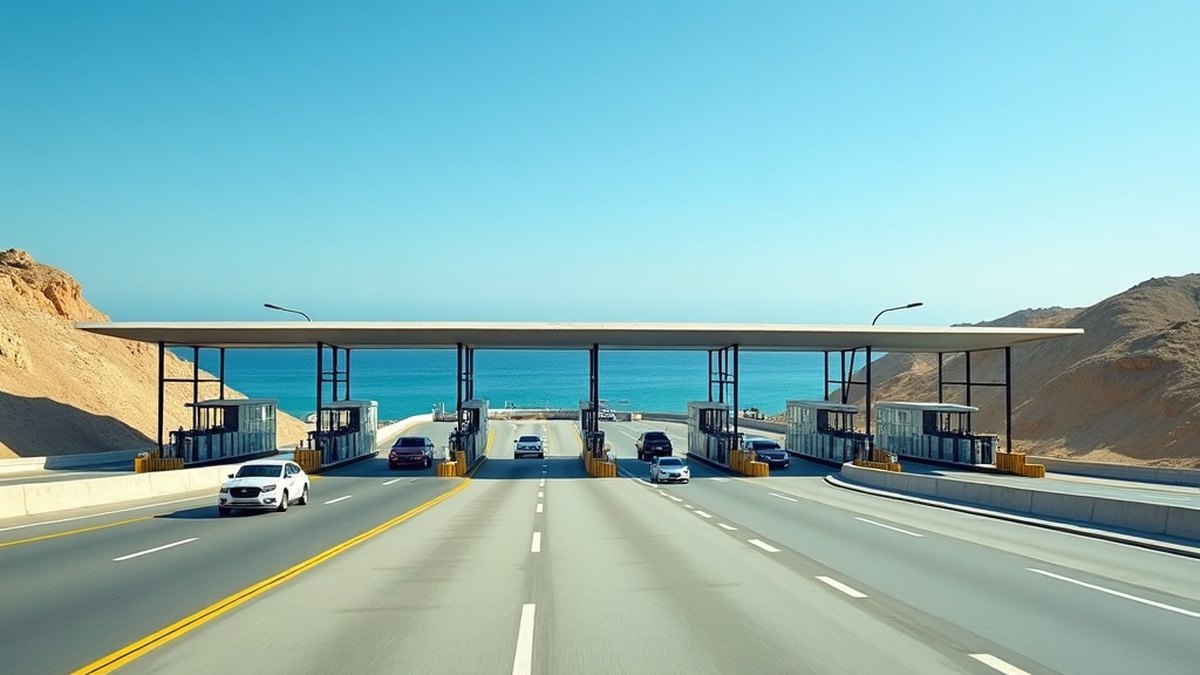
The coastal route to Rosarito and Ensenada has both: Highway 1D is the toll road (cuota), and the older Highway 1 is the free road (libre). The cuota hugs the coast with smooth pavement, guardrails, and fewer stops. The libre is rougher, winds through towns, and takes longer – but it is scenic and free.
What the tolls cost
Tolls are modest – a few dollars per plaza, with a handful of plazas between Tijuana and Ensenada. Pesos are preferred, though many plazas also take dollars and cards. Keep small bills handy so you are not fumbling at the booth.
Which road should you take?
- Most trips: take the cuota. It is faster and safer, especially if you are towing or driving a larger vehicle.
- Sightseeing with time to spare: the libre can be a pretty detour – just allow extra time and drive in daylight.
Either way, you need Mexican auto insurance and your usual travel documents before you set off.
Get Mexican auto insurance in minutes – a fast online quote means you are covered before you reach the border.
Related guides
- Mexican road signs and speed limits for US drivers
- Gas stations in Baja: pesos, tips, and scams
- San Diego to Ensenada road trip
Frequently asked questions
How much do Baja toll roads cost?
Tolls are modest – typically a few dollars per plaza, with several plazas between Tijuana and Ensenada. Pesos are preferred, though many plazas accept dollars or cards.
What is the difference between cuota and libre roads?
Cuota means the toll road – faster, smoother, and safer. Libre means the free road – slower, scenic, and routed through towns. For most trips the cuota is the better choice.
Can I pay Baja tolls with dollars or a card?
Many toll plazas accept dollars and cards, but pesos are preferred and fastest. Carry small bills for the booths.